
NATIONAL ORIGINS: MASSACHUSETTS; Sweet Bounty Returns: Sea Scallops, By John Willoughby and Chris Schlesinger, June 21, 2000

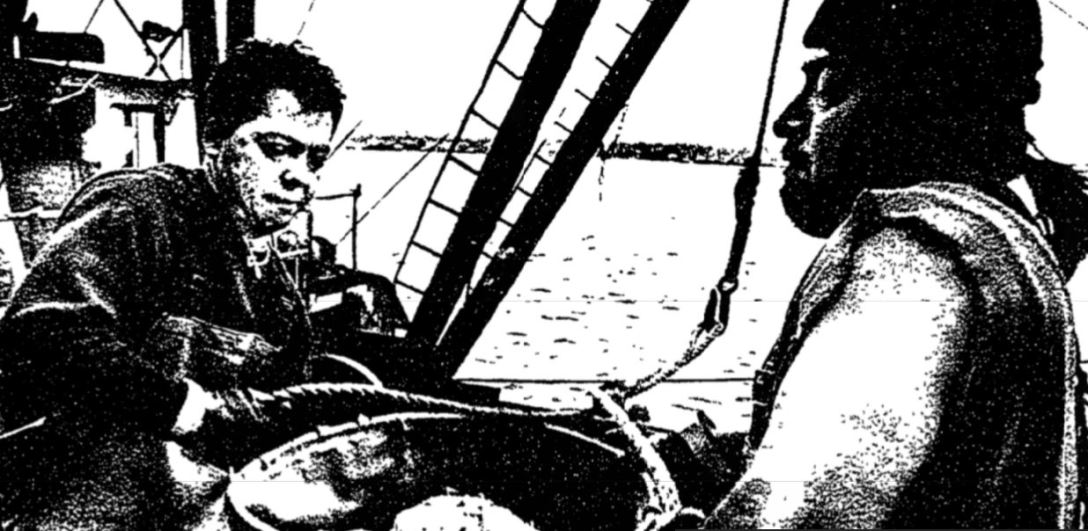
"There are countless ways to cook scallops, although one of the most common is simply breaded and baked or broiled. There are countless ways to garnish them, with everything from bacon to cilantro. But every New Bedford scalloper we spoke with had the same idea: deep-fry them. The large scallops of summer 2000, plump and succulent, can be sliced in half to form medallions for quick frying, in the grand tradition of sailing ships and elegant dining rooms in New England since whaling days."

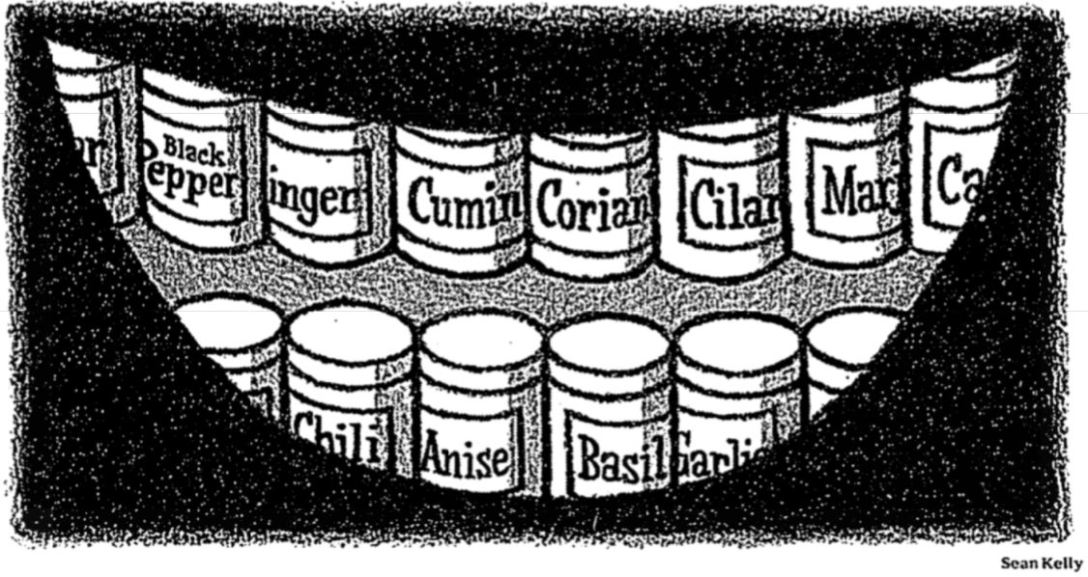
Jumping on the Pan-American Express; The Hidden Beauty of Latin Roots, by John Willoughby and Chris Schlesinger, Jan. 6, 1999

"So, as millions of Americans continue to develop an appreciation for the flavor dynamics of highly spiced food, why not do away with those outmoded notions of culinary superiority and just admit it: people eat spicy food because it tastes great. Then we can all enjoy a lot more wonderful dishes."

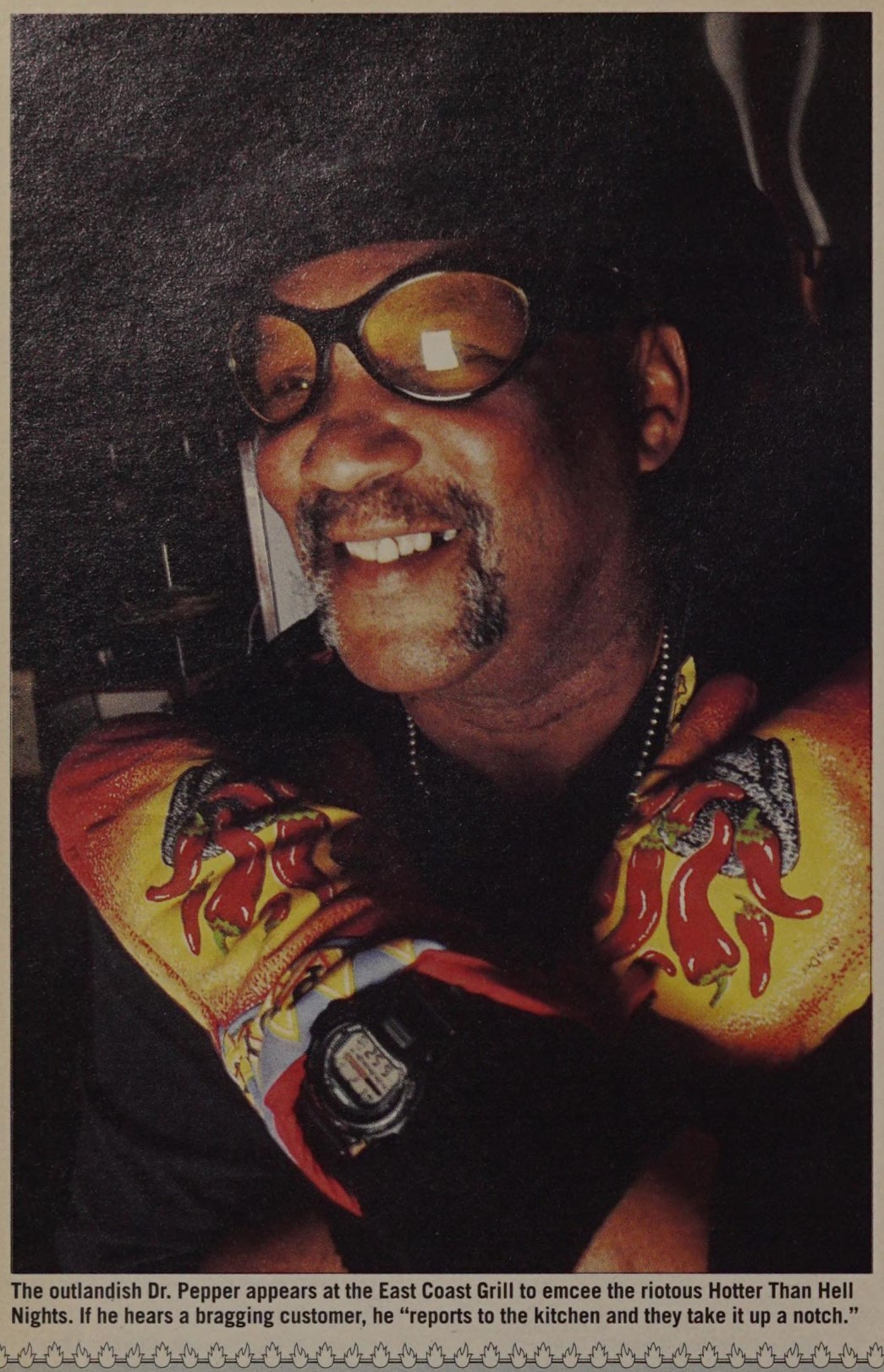
Spicy Foods Struggle to Get a Little Respect, by John Willoughby and Chris Schlesinger, May 6, 1998

"So, as millions of Americans continue to develop an appreciation for the flavor dynamics of highly spiced food, why not do away with those outmoded notions of culinary superiority and just admit it: people eat spicy food because it tastes great. Then we can all enjoy a lot more wonderful dishes."

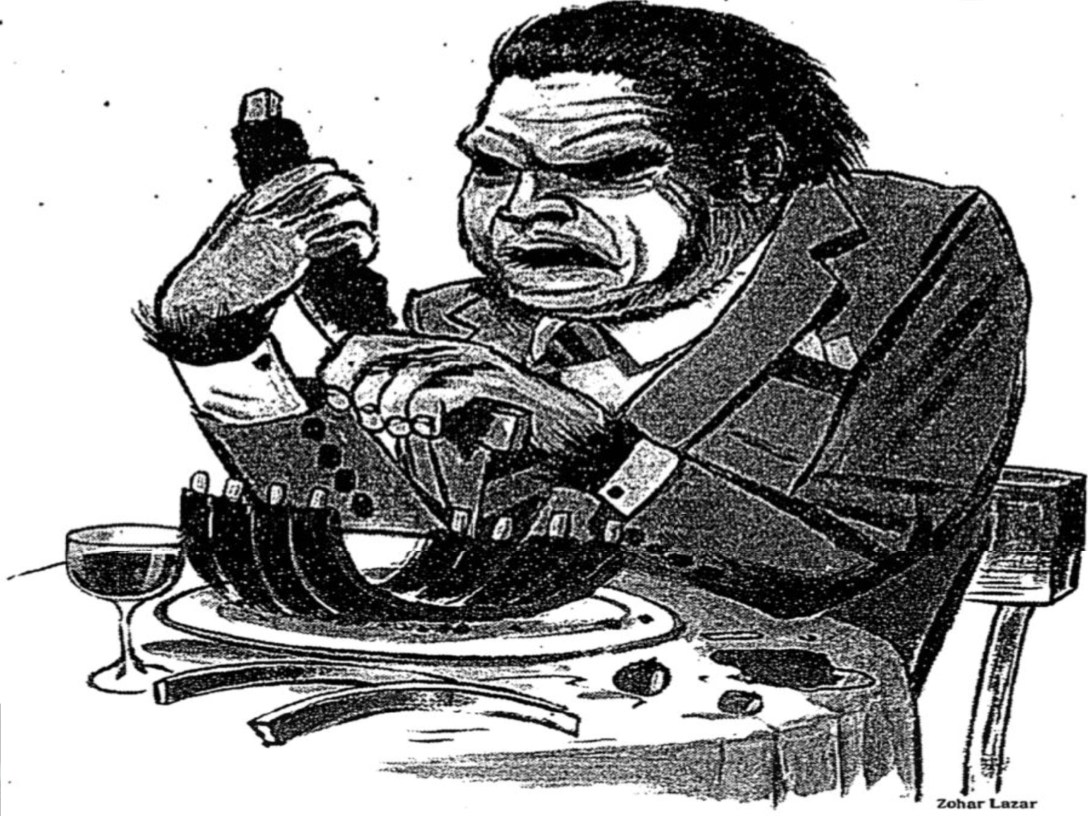
Meat on the Bone, a Primitive Delight, by John Willoughby and Chris Schlesinger, April 8, 1998

"Every bite was a sensual delight. Since there were only two bones, we began passing them around the table as if they were edible peace pipes. Aside from the sheer tactile pleasure of gnawing, everyone agreed that the meat that sat next to the bone was the sweetest, the most succulent part."

In Praise of America’s Own World-Class Ham, by John Willoughby and Chris Schlesinger, Dec. 17, 1997

"There is one American ham that has been considered worthy company to these others: the Smithfield ham of Virginia. Part of this ham's appeal is its pedigree, which is enforced by a 1926 Virginia law that makes it illegal to call a ham 'genuine Smithfield' unless it has been dry-cured, then aged for a minimum of 180 days within the Tidewater town of Smithfield. Country hams from elsewhere in the South are cured in the same way but may not necessarily be aged as long."